














Global food companies are increasingly promising to make progress in reducing emissions across their end-to-end value chain. But some companies are struggling. The New York Times reported that McDonalds and PepsiCo, who have set ambitious sustainability goals, are actually going backwards when it comes to emissions. McDonalds had pledged to eliminate their emissions – “to […]
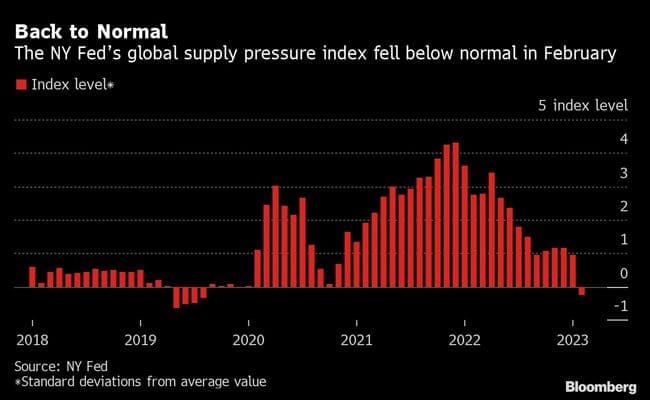
According to the Federal Reserve Bank of New York, nearly three years after Covid-19 was declared a pandemic, supply chains are back to normal. Actually, when looking a bit closer at the numbers, supply pressures actually fell below normal. Zero marks the historical average, and changes in either direction mark standard deviations from that trend. […]

On November 4th, I interviewed Jim Andrew, the Chief Sustainability Officer at PepsiCo, about their environmental, social, and governance (ESG) program. PepsiCo is a very big company, the second largest food and beverage company in the world. PepsiCo generated $79 billion in net revenue in 2021, with 23 food and beverage brands that generate more […]
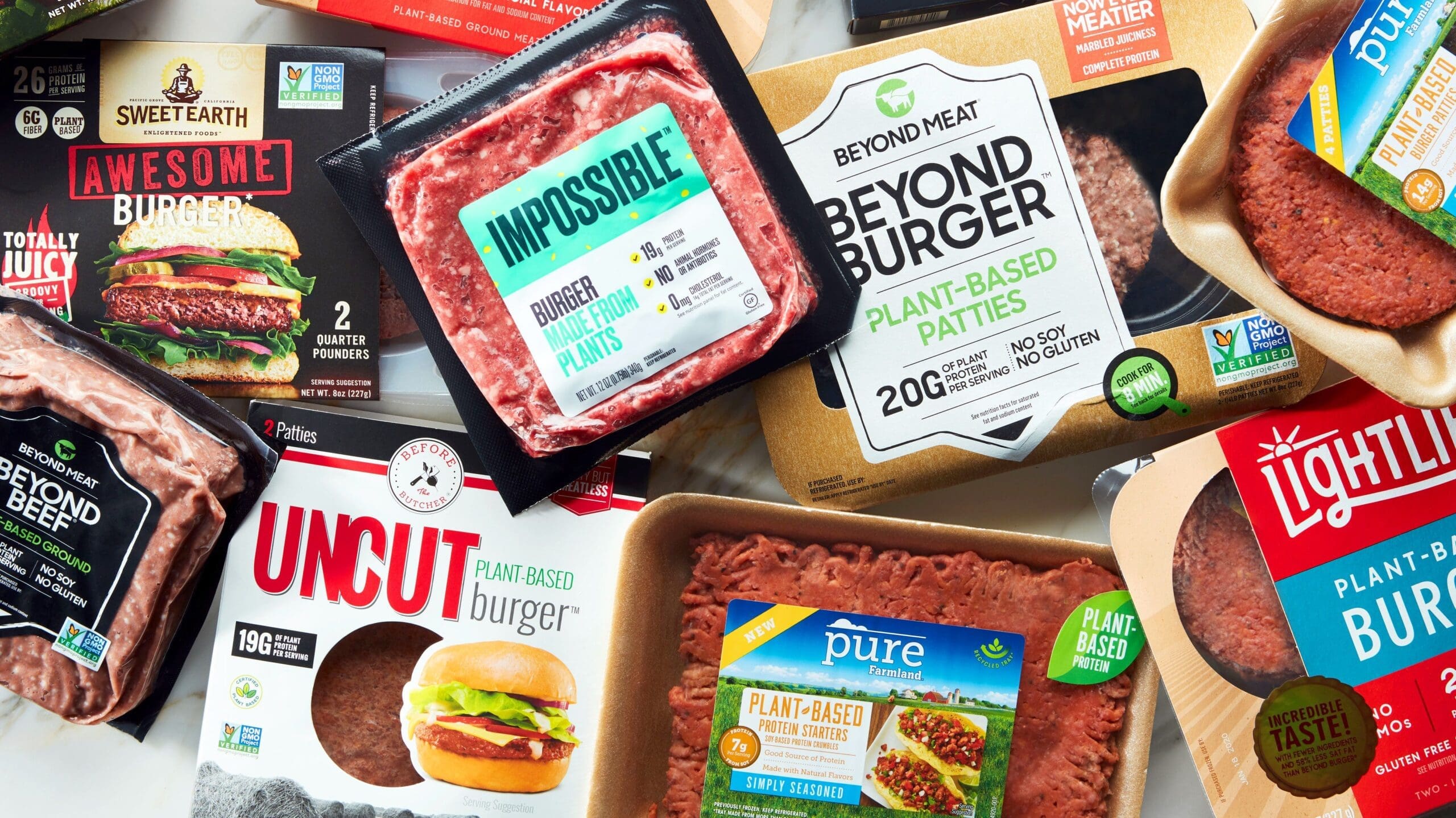
Over the years, sustainability has been increasingly embraced by consumers and brands alike. For many, this has caused them to re-examine the foods that they eat. In recent years, there has been tremendous growth in the plant-based meat market, with new entrants joining those that have been around for decades. The plant-based meat supply chain […]
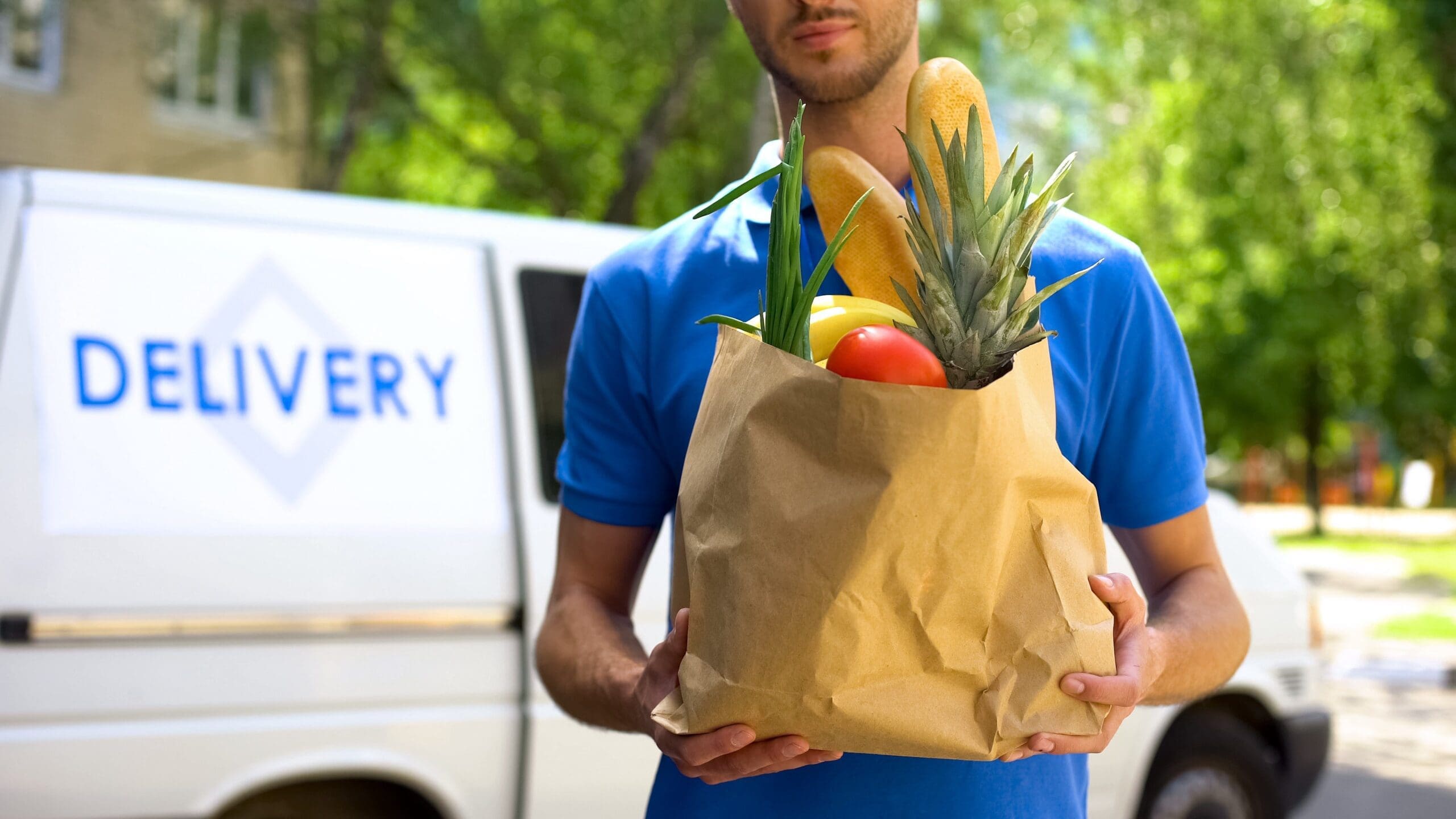
Grocery delivery is not a new phenomenon. In fact, it’s been around for more than 3 decades, although the ongoing pandemic has certainly lifted the market to new heights. However, I should clarify that when I say grocery delivery, I am talking about e-commerce grocery delivery. The home delivery model has been around for a […]

Note: Today’s post is part of our “Editor’s Choice” series where we highlight recent posts published by our sponsors that provide supply chain insights and advice. Today’s article is from Omer Ucar at Solvoyo. It was mid-March when my flatmate and I burst into a panic as the first cases of COVID-19 were officially announced. […]
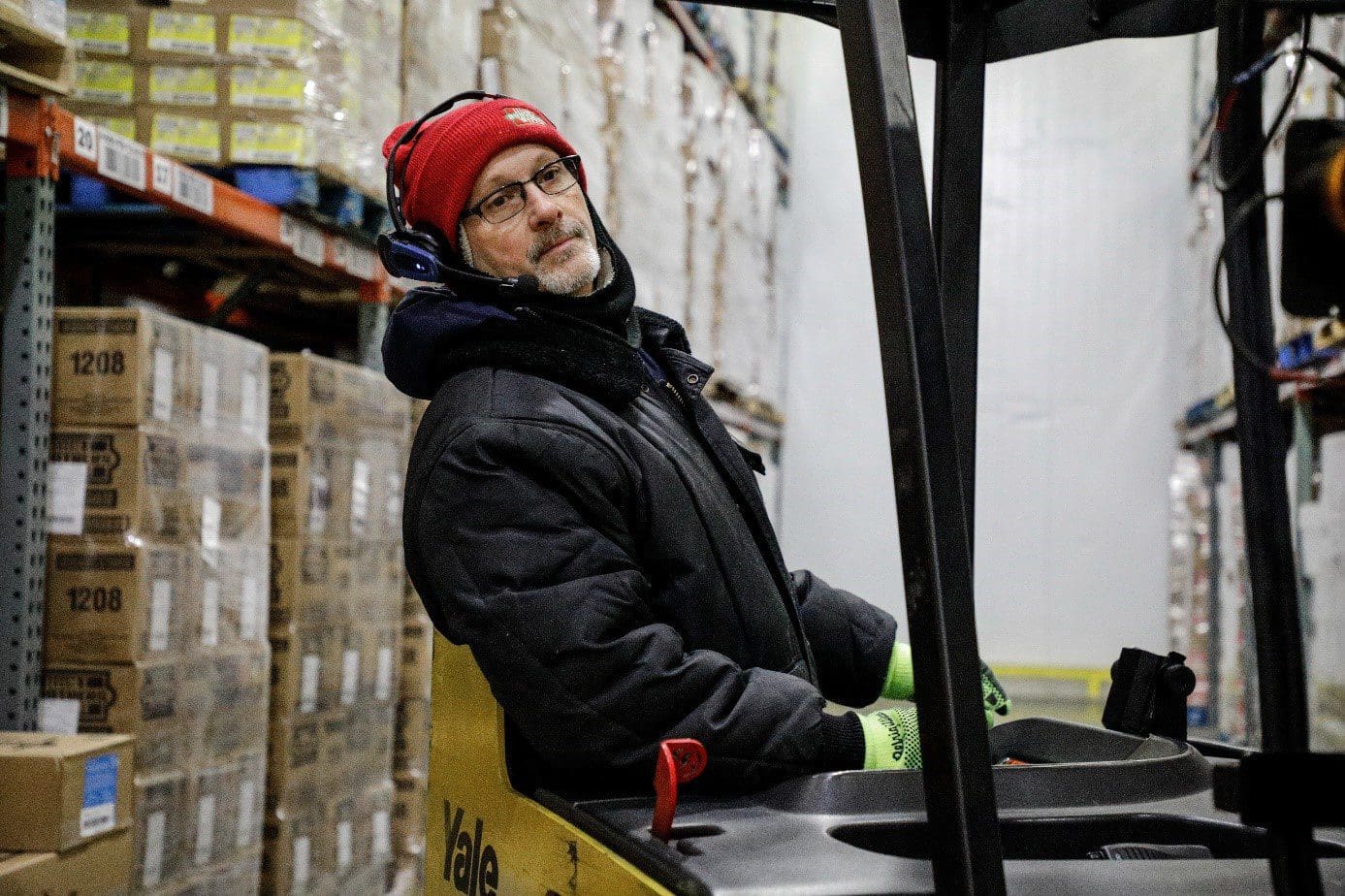
Compared to classic logistics with normal temperatures, cold chain logistics are challenging, expensive and complex at the same time. It is one of the most difficult types of logistics in the supply chain industry. The rapidly increasing demand for frozen foods and the requirement of maintaining an uninterrupted cold chain make logistics considerably more complicated. […]