















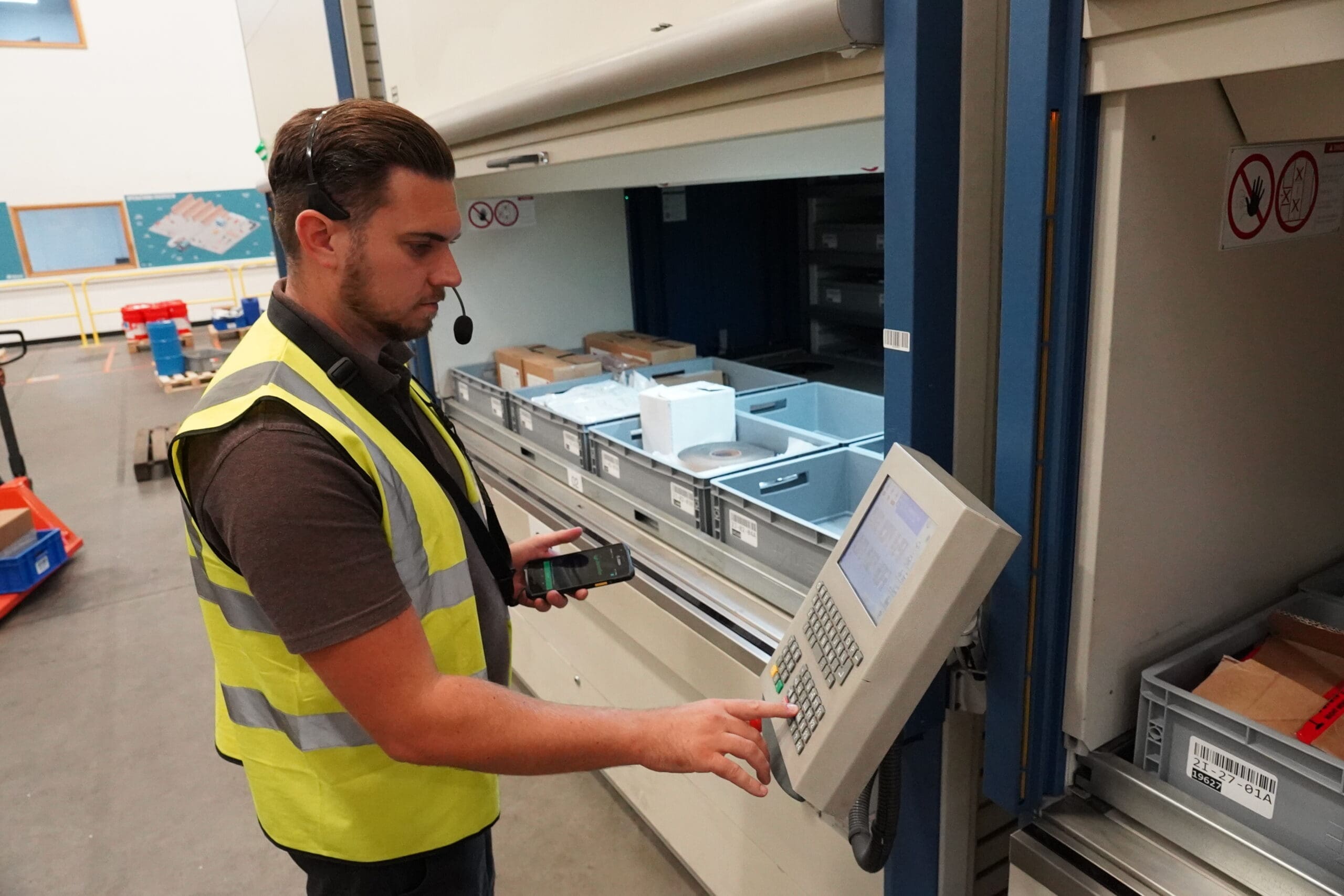
As digital threats loom larger than ever, automating your warehouse is not just about enhancing operational efficiency — it’s equally about safeguarding your digital and physical assets. The relentless rise in cyber threats such as ransomware and phishing attacks underscores the imperative need for robust cybersecurity measures, especially in sectors as vital as warehousing and […]
In today’s fast-paced and competitive business landscape, optimizing warehouse operations is crucial for achieving operational efficiency. Predictive and prescriptive analytics have emerged as valuable tools that enable warehouse operations managers to streamline processes, minimize costs, and enhance productivity. While predictive analytics seeks to answer questions such as “what might happen in the future,” prescriptive analytics […]
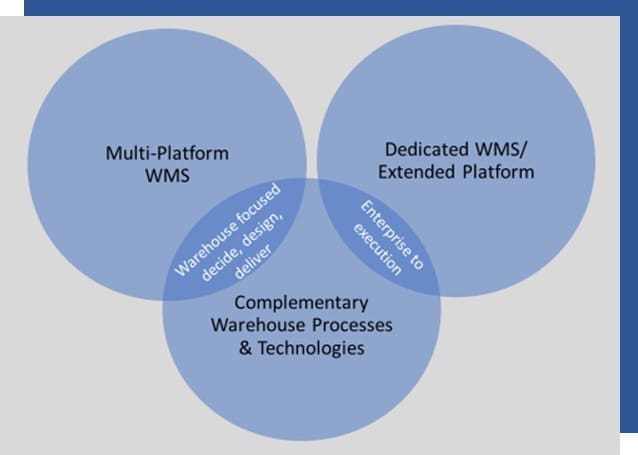
A high-level conceptual framework to evaluate your warehouse consulting and WMS implementation needs should consider the stage and scope of your project, your priorities, and the landscape for WMS consultancies. These consultancies differ by scope of services, relationships with the WMS vendors, complementary capabiltieis, and resource availability and constraints. Through this framework you will quickly narrow down the list of capable consultancies that meet your requirements.
Amazon’s patent for anticipatory shipping generated quite the media buzz a decade ago. My first impression at that time was the mental image it provoked – a delivery truck pulling up to my house and placing a package that I hadn’t ordered on my front door, but ultimately decided to keep. My second impression was […]

ARC Advisory Group’s research on the global WMS consulting market is almost complete. This research is focused on WMS specialists – those organizations that derive a substantial amount of their business from WMS-related consulting. Although the market is still fragmented, it’s not as much as I thought prior to conducting the research, and not nearly to the degree it was back in 2020. These WMS specialist consultants are very often responsible for the WMS implementations of contracts attributed to large, multinational IT consultancies […]
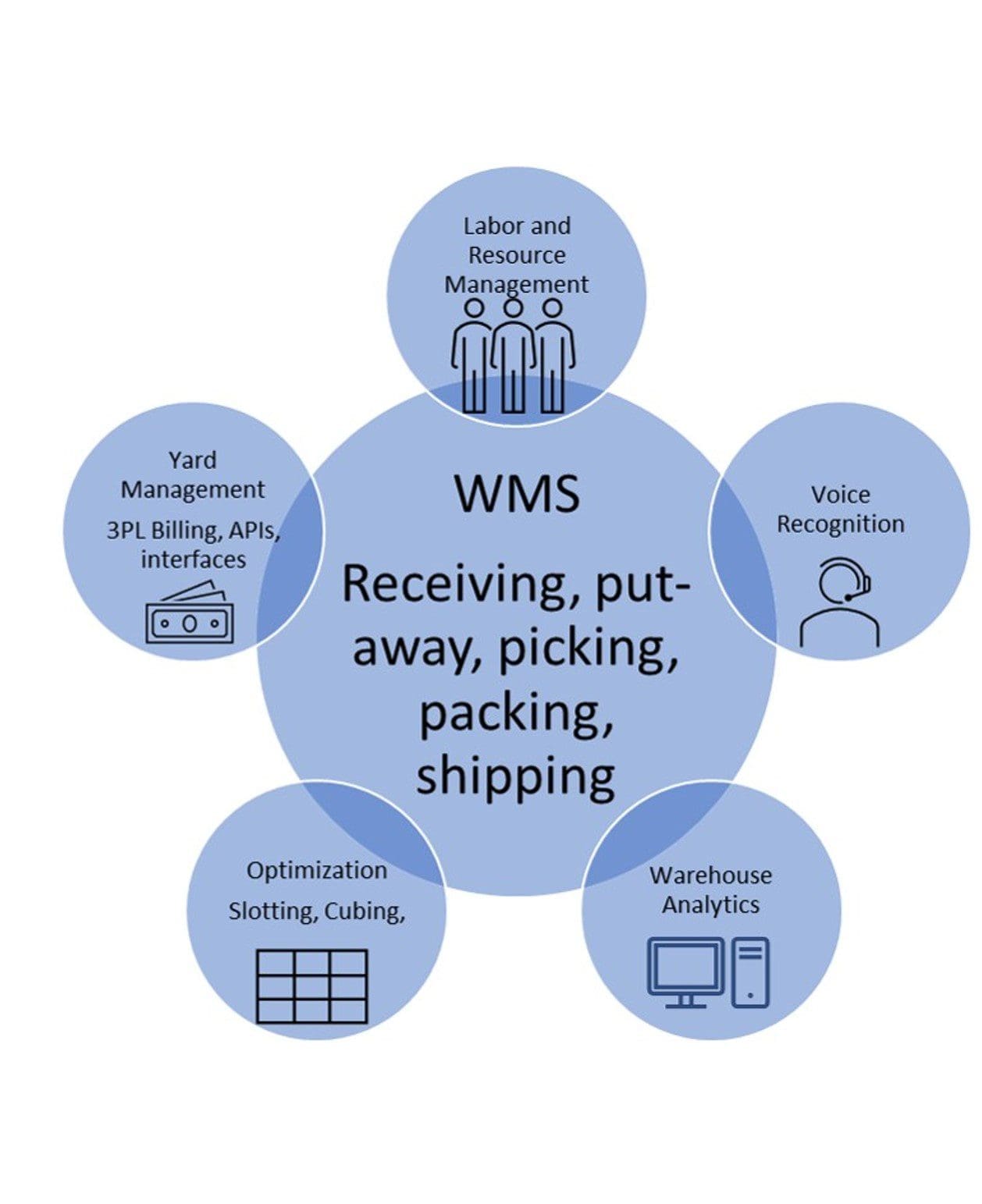
ARC Advisory Group’s research on the global WMS market has revealed many of the perennial factors influencing demand for WMS solutions – such as e-commerce fulfillment needs. However, there is one dynamic that became ubiquitous across market segments this year. I refer to this dynamic as demand for “WMS-plus.” Today’s WMS selection is substantial determined by the core WMS-plus the ability to integrate and support complementary processes and technologies. WMS capabilities such as waveless fulfillment or other business rules to prioritize orders while still efficiently handling high volumes are central to customer demands. The ability to offer, support, and integrate adjacent and complementary technologies has escalated […]

What does the gig economy mean to warehousing? The warehouse and DC industry has always had somewhat of a gig culture, owing to seasonal and temporary labor needs. 3PL companies especially are partnering with the gig economy to take advantage of its flexibility. A changing attitude towards work is driving the move to the gig economy. And technology has made it easier for individuals to connect with potential customers or employers and find work on a flexible basis. The growing rise in tailored or intuitive training has also fed into the gig rise as people can get trained and be up and running in terms of productivity very quickly[…]