














 This Sunday is Mother’s Day. But it will certainly be different than Mother’s Days of years past. Instead of getting together and enjoying brunch and hug, more people will be looking at socially distanced or virtual celebrations. Even so, people are ready to spend this Mother’s Day. According to an annual survey from the national Retail Federation (NRF) and Prosper Insights & Analytics, while 71 percent of respondents are social distancing, 78 percent say celebrating Mother’s Day is important to them this year, given the pandemic. And these respondents plan to spend more, with an average of $205 on gifts for Mom, up about $8 from last year. For those that are celebrating, the most common gifts this year include electronics, housewares, gardening tools, and books, all which saw a significant boost from last year. And now on to this week’s news.
- Walmart is piloting a pricier 2-hour ‘Express’ grocery delivery service
- Tariffs are crippling supply chains for chemicals need for disinfectants
- Tyson announces deployment of mobile medical clinics to reopening plants
- ICE partners with Amazon, 3M to identify counterfeit coronavirus gear
- Morocco launches fleet of drones to tackle virus from the sky
- Logistics giant Toll Group hit by ransomware for the second time in three months
- Grocery chains limit meat purchases to prevent hoarding
- FAA picks companies to help with drone regulations
- Some markets show growth in freight volume, but rates still lag
 The coronavirus pandemic has led to increased e-commerce spending, especially in the grocery space. However, with so many consumers looking at grocery delivery, availability has become scarce. And even when consumers have been able to find delivery windows, orders are often delayed. Walmart is launching a new service to help customers get orders when they want them. The company has launched Walmart Grocery Express which promises orders in two hours or less, charging a $10 fee on top of the normal delivery charge to move the customer to the front of the line. Walmart has been testing the service at 100 stores across the US over the last few weeks and plans to roll it out nationwide in the coming weeks. Like Walmart’s other grocery deliveries, Express deliveries are handled by Walmart’s external network of delivery partners, which vary by market.
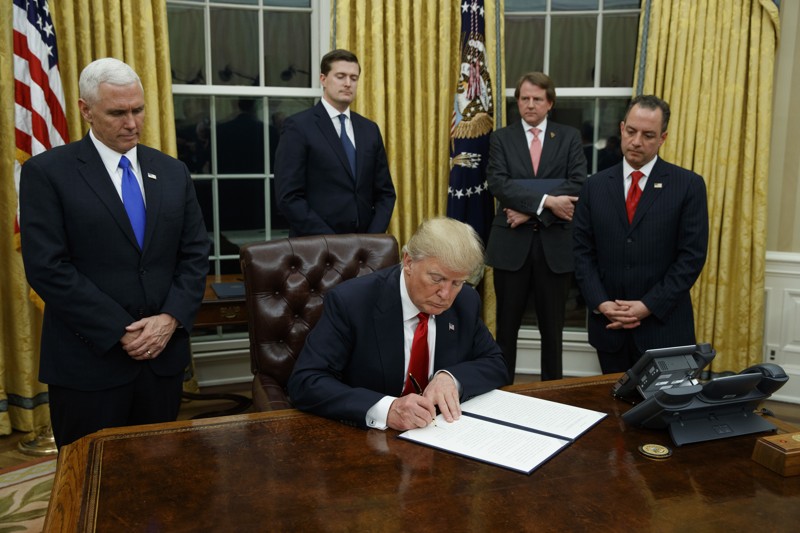 Back in March, President Trump exempted personal protective equipment (PPE) from tariffs. However, this exemption did not include chemicals that were important to make disinfectants. The Trump administration is still charging a 25 percent tariff on these disinfectants. One of the most important items is isopropyl alcohol, a critical ingredient in hand sanitizer and other disinfectants used by households, the food service industry, and first responders. This is crippling the isopropyl alcohol supply chain and making it difficult for companies to supply essential workers with antiseptics and sanitizing products.
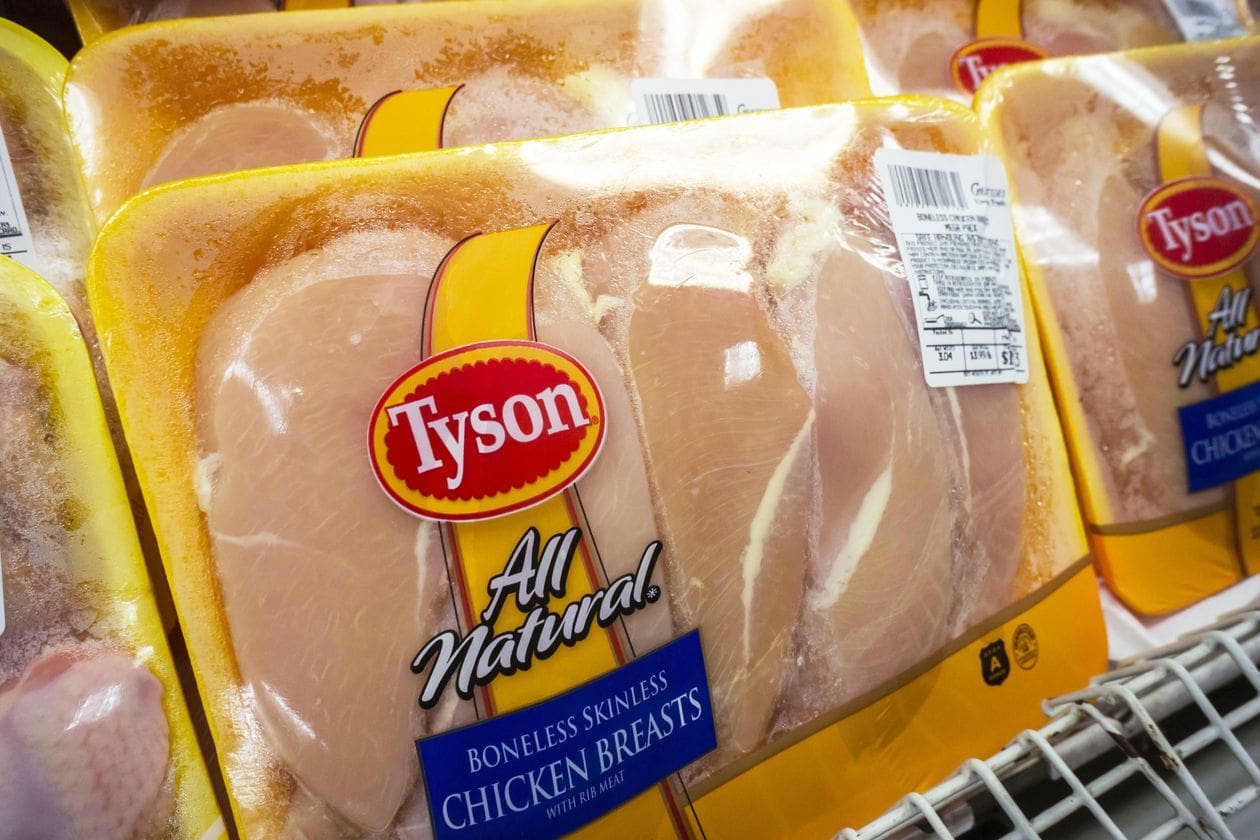 On April 29th it was reported that 890 workers at a Tyson Foods plant in Indiana have tested positive for the coronavirus. That is more than 40 percent of its workforce. As part of its plan to keep employees safe during the reopening of its meat and poultry processing facilities, Tyson Foods announced a partnership with Scottsdale, AZ-based Matrix Medical Network. The partnership will use a fleet of mobile health clinics and staff to provide diagnostic testing for employees for COVID-19. The company will send the mobile clinics to beef, pork, and poultry plants across the country offering additional services such as clinical screening of working environments and health education for employees. Matrix will also help in the development of environmental designs at the plants to ensure safety.
There have been a lot of stories floating around regarding counterfeit and defective equipment being sold to protect against COVID-19. Well, in an effort to stop the flow of counterfeit masks, coronavirus test kits, and other medical equipment, US Immigration and Customs Enforcement (ICE) is working with companies such 3M, Amazon, and Pfizer. ICE’s center for intellectual property said it is working with these companies to identify suspicious shipments of materials and remove postings that may have counterfeit masks and equipment from online marketplaces. With demand outpacing manufacturing capacity, there has been a flood of imported items, which has led to a number of counterfeit operations. The agency said it had identified more than 19,000 suspect Covid-19-related domain names with the help of the companies in the partnership and is working to take many of them down.
 Morocco has launched a fleet of drones to combat the coronavirus. Over the last few weeks, the country has rapidly expanded its fleet of drones for aerial surveillance, public service announcements, and sanitation. Like most places, the regulations prohibited widespread adoption of drone usage. However, as coronavirus spread, regulations were eased, and drones were put to work. As lockdown orders were ignored by some, drones were dispersed to monitor and identify suspicious gatherings and relay warnings. The aeronautics department of the International University of Rabat (UIR) offered its facilities, expertise and prototypes to authorities in March, deploying drones with loudspeakers or infrared cameras able to detect movement at night or spot individuals with high temperatures.
Ransomware attacks have been a problem for many companies over the last few years. For the second time in three months, Toll Group has become the victim of a ransomware attack that has led to the suspension of IT systems. Toll Group is an Australian-based logistics company that offers freight, warehouse, and distribution services. The first attack, which occurred in February, was a result of the MailTo ransomware and disabled the company’s IT systems. Now, the company has been hit by a Nefilim variant. The malware locks files and demands blackmail payments. The latest ransomware infection has resulted in a rebuild of core systems, the need to scrub infected servers clean, and the use of backups to restore files rather than give in to demands for payment. With the MyToll portal still offline, it is not possible to track or trace parcels. However, freight and deliveries are “largely unaffected.”
The closing of meat processing plants due to COVID-19 outbreaks has put added strain on the meat supply chain. And while President Trump has signed an executive order to compel plants to stay open during the coronavirus crisis, shortages are still expected. One of the big concerns is that customers will stock up early and often and hoard meat as the shortage hits grocery stores. To prevent this, many grocery chains are limiting meat purchases. At some Kroger stores, for example, customers are being limited to two pork items and two chicken items. Midwestern retailer Hy-Vee has limited customers to four packages of a combination of fresh beef, ground beef, pork and chicken. Costco, Giant Eagle, H-E-B, Wegmans, and a host of other chains are also imposing purchase limits.
The Federal Aviation Administration (FAA) has selected eight companies to help establish technical requirements for Remote ID, a protocol that drones will be required to follow for broadcasting identification and location data while in flight. Remote ID would require drone manufacturers to make their products capable of sending out ID codes and location data during operation in national airspace. Drones without the Remote ID system could be flown only within special FAA-designated zones, usually the same sorts of places where hobbyists fly model airplanes. The selected companies are Airbus, AirMap, Amazon, Intel, OneSky, Skyward, T-Mobil, and Alphabet’s drone subsidiary, Wing.
And finally, while some markets show growth in freight volume, rates still lag. The national average spot van rate hovered around $1.50 a mile during the week ending May 3, a four-year low despite improving freight volumes, said DAT Solutions, which operates the DAT load board network. Rates for refrigerated and flatbed loads hit their lowest points since early 2017. The number of loads posted on the network was up 33 percent, though, compared to the previous week, as fresh produce began to move and some states prepared to relax stay-at-home orders. Load-to-truck ratios were higher for all three equipment types, but a 4 percent reduction in capacity was a factor as more carriers sideline their equipment and wait for better pricing.
That’s all for this week. Enjoy the weekend and one of my mom’s favorite songs, the Grateful Dead’s Ripple.